How to Read Post Variable From Javascript
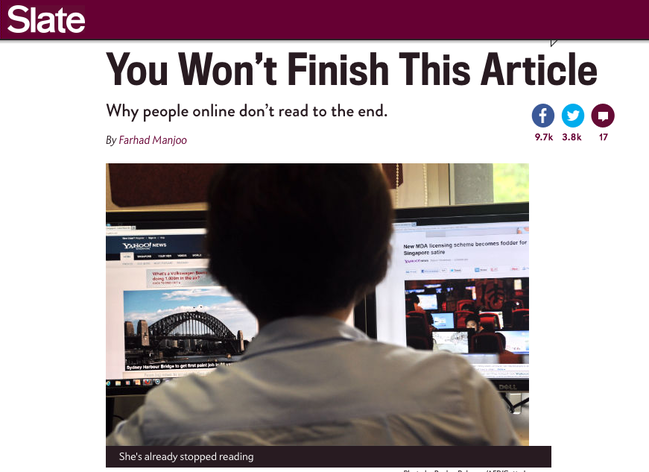
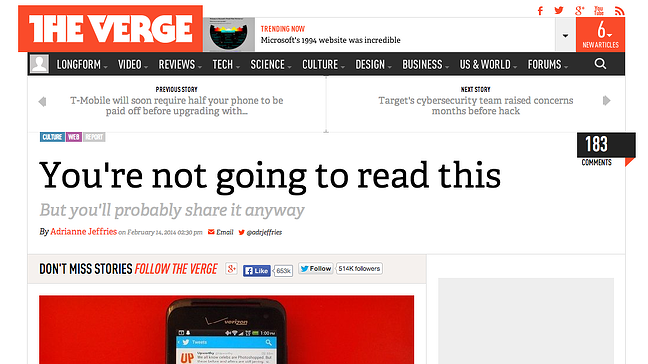
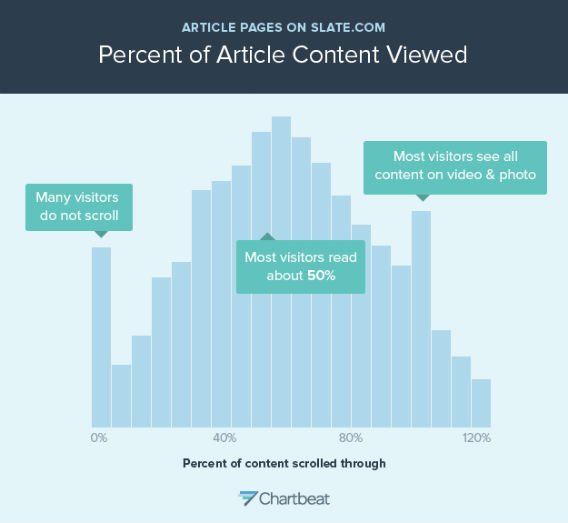
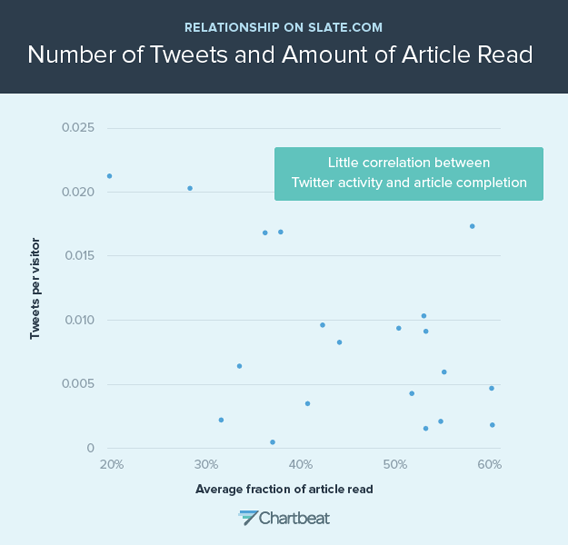
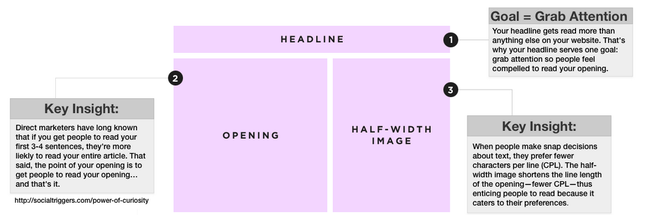
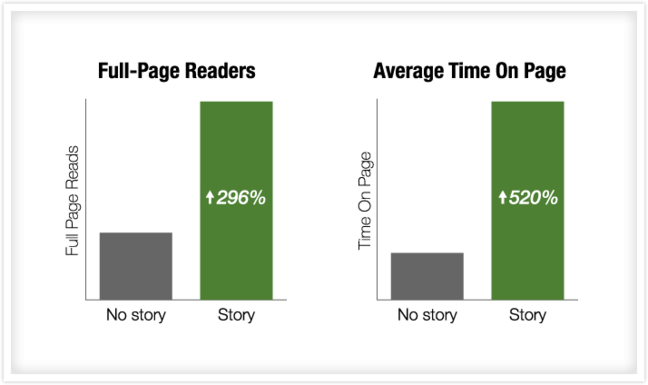
One time upon a fourth dimension, you wrote an commodity. It was a good ane. It took you lot four and a one-half hours, required a ton of inquiry, and maybe toll you lot a very late nighttime. After you wrote the article, proofread information technology, edited it, added images, and published it, you lot felt proficient about yourself. Clicking the "publish" button gave you a huge sense of satisfaction. And then, you sat back to look for the accolades, the reads, the shares, the engagement, the fame. Let me interrupt this fairy tale with a cold, hard fact. Most of the people that see your article won't read the whole thing. All that crawly content you lot wrote? Yes, a lot of people aren't even going to read past the headline, fewer withal are going to scroll below the fold, and a precious remnant will go through the hurting of making it all the way to the end. How do you feel now? The Internet is full of statistics that prove people aren't reading your unabridged articles. Take this Slate article by Farhad Manjoo, for example. Plain, 13,000 people shared it, merely didn't read it. Or take this cheery headline from The Verge : True to Jeffries's prediction, the article garnered over 12,000 shares. Just how many people actually read the article? Meh. Prolly non a whole lot. The stats presented in these manufactures aren't all that inspiring. Hither's the data that they talk virtually. One glance at the graph beneath and you tin can see that a paltry few will view an entire article. That leaves maybe your all-time friend and loving relatives who are scrolling to the end of your posts: Only what about all those tweets? Don't get as well excited. Chartbeat'south research demonstrates that there is "niggling correlation between Twitter activity and article completion." Upworthy had a like depressing scientific analysis of shares vs. reads: Jakob Nielsen, the venerable godfather of internet research, told the states way back in 2008 that most users read virtually 20% of the words on a page . And in today'due south content marketing world of 1,500+ articles (like this one), we're surprised if people become that far. Pitiful to disappoint you. When you look at the data, you might feel similar all the time and money you spend on blogs is a glorious waste. Smart people have tried to explain why people don't read all the content. Here are three possibilities, each ventured by Slate. Maybe all these things are true. I can personally adjure to my difficulty of focus, my need to skim, my busy life. But if an article is relevant enough and skilful enough, I'one thousand going to read the whole thing -- which brings me to the optimistic section of this article. As a author, I've held dorsum some important data until this disquisitional point. Statistically speaking, this is the golden spot in the article at which I've lost all the disengaged readers, and am speaking only to a coterie of engaged learners. (Hi, guys. Thanks for sticking with me.) Fifty-fifty though many articles are skimmed and shared by hypocrites, quitters, and dirty cheaters, there are a few chosen ones who volition read the whole thing.These are your engaged users. They're the only ones that actually matter anyhow. Let's become back to some data shared past Slate: This thermometer measures the engaged readership of Slate manufactures, which is pretty adept. Permit's say this was your site. The red-hot spot in the middle of your article are the people who really love you -- the people who are intensely engaged in the article. Yous should be speaking to them. Interested people volition read your article.And that begs the question -- How do I brand them interested? Go on reading, because you're about to detect out. First off, you're non going to become everyone to read the whole post. That's okay. You really should care about the engaged users . These are the people that truly matter. I have v recommendations for keeping users engaged to the very cease of an commodity. Derek Halpern discovered that when you lot lead off with an in-line image, people are more likely to kickoff reading your article. If they start, hopefully, they won't terminate until the finish. Hither's how he described it. "When people brand snap decisions virtually text, they prefer fewer characters per line (CPL). The half-width paradigm shortens the line length of the opening -- fewer CPL -- thus enticing people to read because it caters to their preferences." If you practice that, people will read even more. Here's Halpern once again on the field of study: "If you get people to read your first 3-iv sentences, they're more than liekly [sic] to read your entire article." Here's his diagram showing how to properly start off a mail service (click here to bank check out the full version): Alex Turnbull discovered that an article with a narrative introduction -- a story -- has nearly 300% higher time total-folio reads, and 520% higher fourth dimension spent on page. Tell a story, and you'll get people to read. This aboriginal practice holds sway in modern marketing. People dear stories, regardless of their age, background, intellect, and beverage preference. Stories activate our neural arrangement in a unique fashion. Past listening to or reading a story, we feel the same sensations that we would feel if nosotros were experiencing the storied event in existent life. We honey stories. My writing at Quicksprout is full of stories. I endeavour to tell true stories from my personal feel that help readers solve a problem, overcome a claiming, or aspire to greater success. Hither are some of the articles that tell a story: Users are going to completely shut you out if they encounter a solid wall of text. To keep them flowing through the article, you lot need to intermission it upward using principles of visual hierarchy. "Visual hierarchy" sounds more than complicated than information technology actually is -- it's basically using design to give order to your content. Look at this prototype, and you'll sympathize immediately how to practise this: Hierarchy makes a huge difference in whether people read text or not. Which of the following would you rather read? You'd read the second, right? To create visual hierarchy, use the post-obit features in your article. Just as a user's optics demand to follow the visual bureaucracy, so do their minds need to follow the menses of the commodity. Though non equally obvious, this principle is just as important. If you want visitors to read through the whole commodity, they need to empathize what's being said. The content must flow logically. Here is a simple four-footstep process to creating a conceptual hierarchy in all of your manufactures: Now, for my final point. Length doesn't really matter. Some people remember that blogs should be really short. Some people think they should be really long. The truth, as usual, lies somewhere between the two extremes . Longer content is positively correlated with higher share statistics and backlinks. But don't stress out about word count. Instead, focus on communicating your point regardless of how many words information technology takes. Remember how I started out this section? I wrote, "You're not going to become everyone to read the whole affair. That's okay. You really should intendance well-nigh the engaged users. These are the people that truly matter." This principle holds truthful on the upshot of content length. Your engaged readers will read your content, no matter how long or brusk it is. You either read this whole 1,500+ word commodity, skimmed it, or just popped in at the end to run into how it ended. Whatever choice you fabricated, I'm going to reward y'all past reiterating my near of import points. To assist people read your entire commodity, do the post-obit five things: Recall, lots of people aren't going to read the whole thing. And that's okay. Some people will read the whole thing. That's your audition. Write for them. What techniques do you use to help people read your whole commodity? Image credits:Slate, Buffer, Webdesign.tutsplus.com The bad news: People don't read your whole blog mail service.
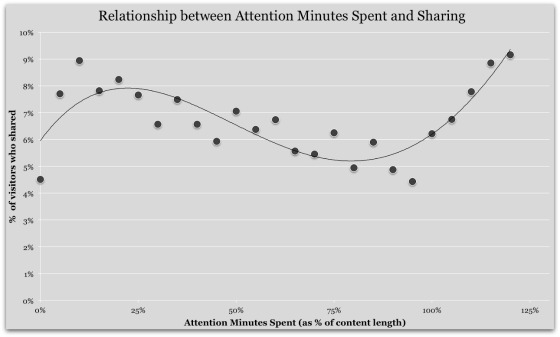
Hither are the facts about how people actually read:
What'due south the trouble with people?
Now, here's the expert news.
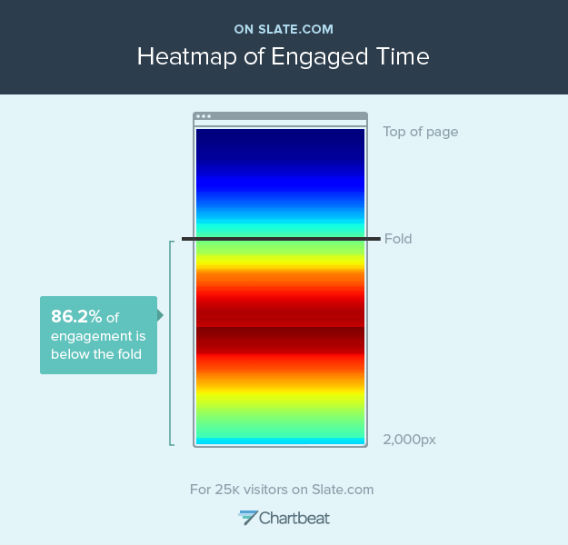
The Secret of Engaged Readers
one) Draw them in with an image.
2) Tell a story.
3) Continue it organized.
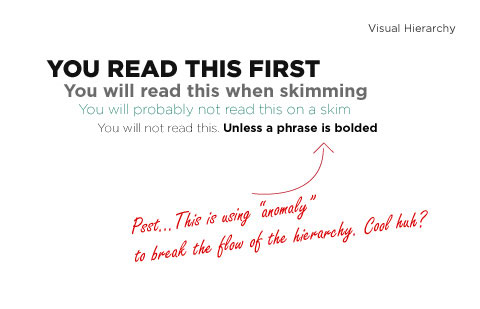
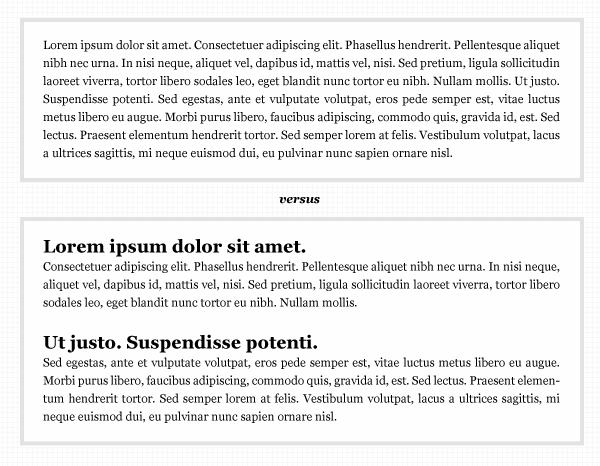
4) Create conceptual hierarchy.
5) Don't worry about length.
Decision
Originally published Aug 26, 2014 eight:00:00 AM, updated July 28 2017
Source: https://blog.hubspot.com/marketing/tips-read-entire-blog-post
0 Response to "How to Read Post Variable From Javascript"
Postar um comentário